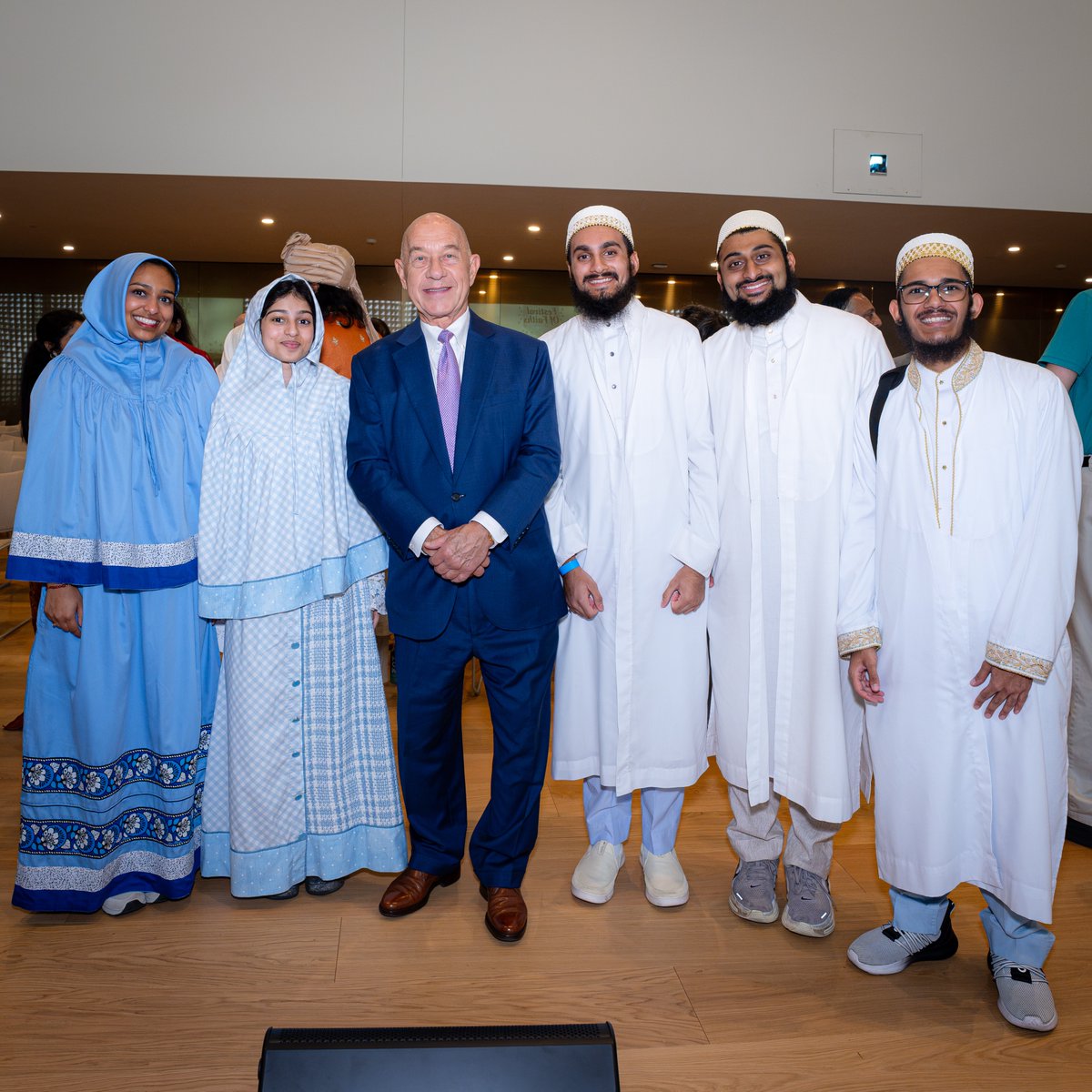
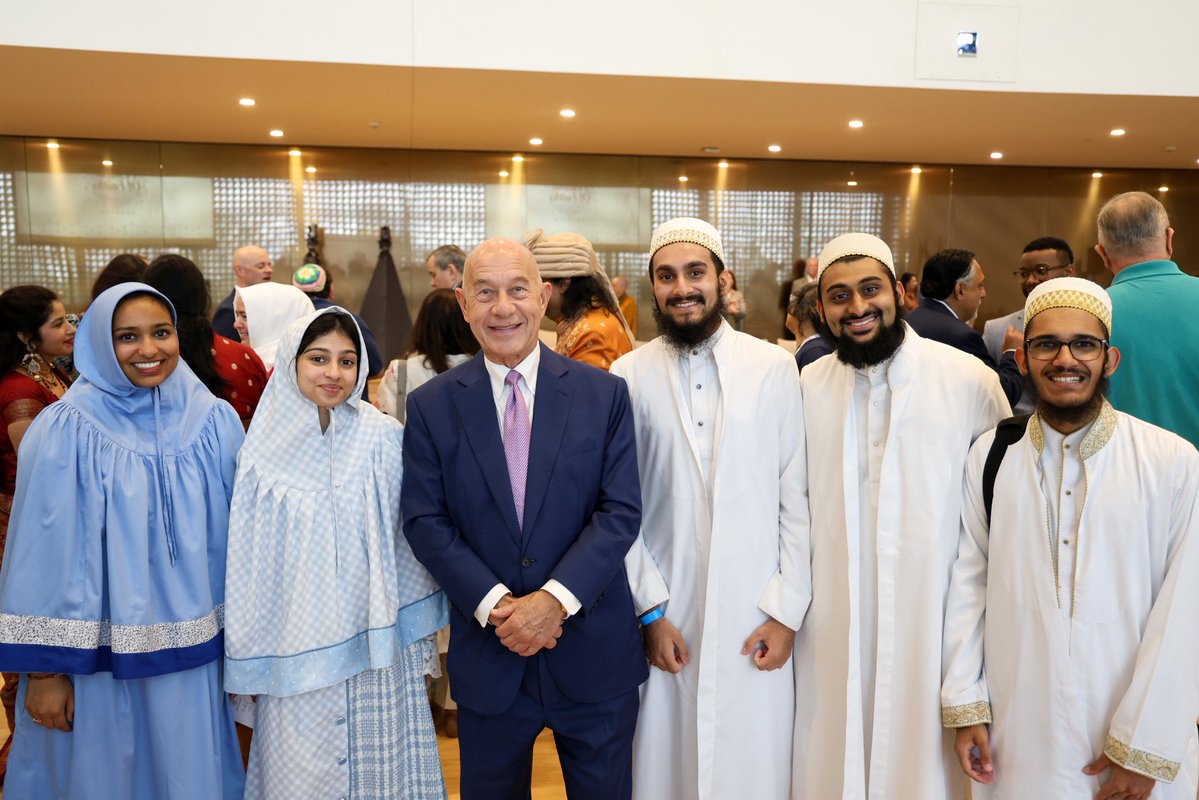
The AI Unlocked workshop, hosted by the Dawoodi Bohras of New Jersey, brought together voices from business, education, and technology to explore how artificial intelligence is redefining the modern world. Moderated by Mohammed Attarwala, Head of Network Infrastructure and Engineering at Bloomberg, the event featured insights from Huzaifah Basrai, Managing Director at EY; Dr. Ameena Arsiwala, Supervisor of Instructional Technology on the Franklin Township Board of Education; and Lamia Tapia, a senior solution architect.
The session began with a brief introduction on the basics of Artificial Intelligence, followed by a panel discussion and hands-on breakout sessions. Participants examined how AI is transforming industries, shaping skills, and influencing creativity in everyday life.
Adapting to a Changing World
Panelists agreed that AI will shift, not erase, the job market. The World Economic Forum's Future of Jobs projects that more than 170 million new jobs will emerge this decade in fields tied to AI as traditional roles evolve.
“AI won’t replace you,” one panelist remarked. “But failing to adapt your skills might.”
Attendees were encouraged to stay curious and approach AI tools with both enthusiasm and awareness of privacy and ethics, with adaptability and lifelong learning remaining essential.
Emerging Trends and Responsibilities
The discussion pointed to a new wave of AI systems that can not only analyze data, but also reason and act on a user’s behalf — from booking travel and drafting emails to personalizing healthcare or automating customer support. This shift toward agentic AI marks a move from tools that simply respond, to systems that can anticipate needs and execute tasks independently.
Yet, as one panelist noted, “with innovation comes responsibility.”


That responsibility includes designing AI that is transparent, energy-conscious, and free from harmful bias. Panelists emphasized the growing environmental cost of AI — with global energy demands projected to rise sharply as large-scale models expand — and highlighted the need for ethical guardrails that protect user privacy, prevent misinformation, and ensure decisions made by AI can be traced and explained.
Progress in AI can be interpreted, then, as not just a technical question, but a moral one — what we build is inseparable from how responsibly we choose to build it.
Hands-On Exploration
Three breakout sessions gave participants exposure to AI in action:
Technical Foundations: Led by Lamia Tapia and Merziyah Poonawala, this session provided a technical deep dive into the foundations of AI. Participants explored the core frameworks and modules behind agentic AI, gaining a clearer understanding of how these systems function and shape the future of technology.
Digital & Media Tools: In this session, Zahra Hussain, a VFX artist, and Zohair Zumkawala spoke about how AI is transforming digital creativity and entrepreneurship. From the Adobe Suite to e-commerce and marketing applications, attendees learned how to harness AI tools to elevate content creation, streamline workflows, and enhance business success through generative AI and website design.
AI for Beginners: Perfect for newcomers, Mariam Tapia and Murtuza Ismail led an interactive discussion on everyday AI tools such as ChatGPT and similar platforms. Participants learned how to integrate AI into daily tasks and were encouraged to think critically about verifying AI-generated content—empowering them to use technology more responsibly and efficiently.


Looking Ahead
The event closed with a clear takeaway: technology’s value lies in how we use it. When driven by curiosity and guided by conscience, AI can open new doors for learning, creativity, and innovation — reminding us that progress has always begun, and will always begin, with people.